The Science of Nostalgia: Why Revisiting Memories Makes Us Happier
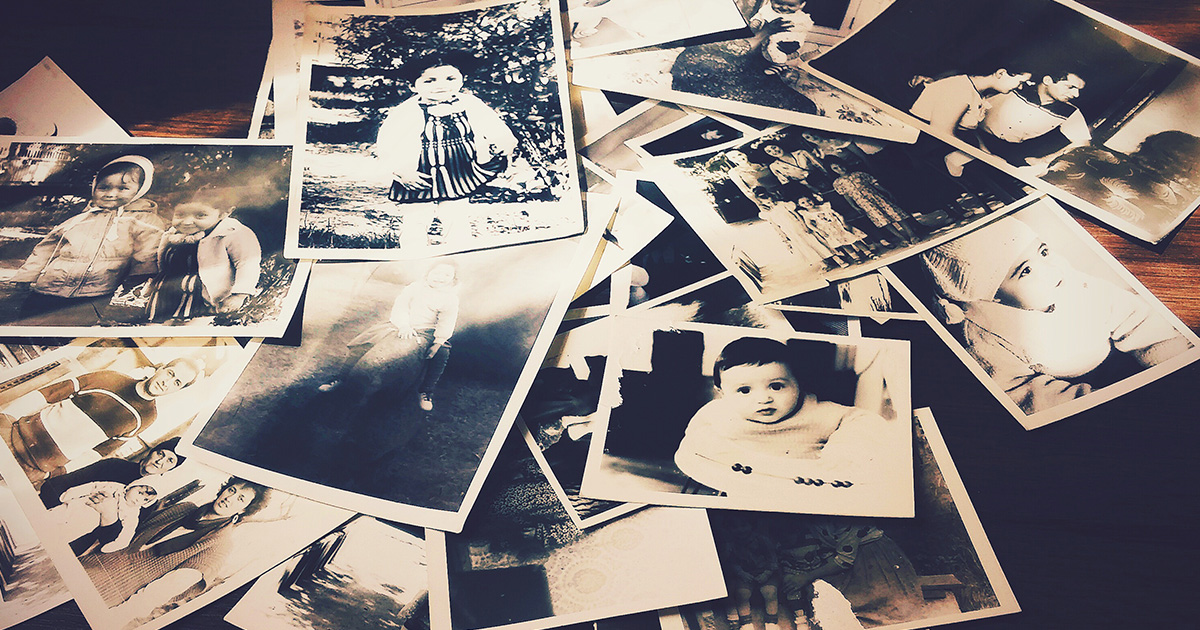
You stumble on an old photo — maybe it’s a video of your child’s first laugh or a birthday message from years ago. In an instant, you’re transported. You remember where you were, how it felt, and the emotions of that exact moment. That rush of warmth isn’t random; researchers call it the science of nostalgia.
Nostalgia is more than just daydreaming about the past — it’s a powerful part of what makes us human. Psychologists describe it as a natural way our minds hold onto meaning, identity, and connection. It explains why a familiar song can bring back high school memories, or why your kids love hearing stories about when they were younger.
For families, the science of nostalgia matters because it strengthens bonds. When you share those old photos, retell childhood stories, or rewatch a favorite home video, you’re not just reminiscing — you’re teaching your children where they come from, giving them roots, and showing them that their story is woven into something bigger.
So why does nostalgia feel so good? And is it actually good for us? Let’s explore the psychology behind nostalgia and what it means for families today.
What Is the Science of Nostalgia?
Psychologists describe nostalgia as a positive emotional experience that mixes memory with meaning. It’s not simply remembering the past; it’s remembering with warmth and connection.
Studies show that nostalgia can:
- Improve mood and reduce stress
- Strengthen our sense of identity and belonging
- Deepen emotional bonds with the people in our lives
That’s why hearing a familiar laugh, a loved one’s voice, or a family story can instantly lift us up. The psychological effects of nostalgia remind us we’re part of something bigger than ourselves.
Why Nostalgia Feels Good for Families
For children, nostalgia often begins with the stories their parents tell — bedtime memories, funny little moments, or watching videos of their early years. These stories give kids a stronger sense of belonging and identity.
For parents, looking back creates gratitude. The first words, the late-night feedings, the family milestones — they often pass faster than we expect. Revisiting these memories allows us to relive the journey and strengthen family connections.
In other words: nostalgia isn’t just about the past. It’s about building a legacy of belonging that families carry forward.

The Problem in the Digital Age
Here’s the challenge: modern technology makes storing memories easy — but reliving them difficult.
- Camera rolls overflow with random screenshots, WhatsApp forwards, and other people’s photos.
- Social media is built for scrolling, not storytelling.
- The moments that spark nostalgia most — the voices, laughter, and everyday stories - get buried under digital clutter.
We have thousands of memories, but when we most want to relive them, they’re often the hardest to find.
How to Make Nostalgia Last
The best way to turn nostalgia into something lasting is to be intentional with it. Instead of letting memories pile up, choose to preserve and revisit them in meaningful ways.
-
Create traditions: A weekly “memory night” where the family looks back at old photos or listens to recorded stories.
-
Tell the stories behind the pictures: Don’t just show the photo — explain what happened, what was funny, or what was challenging that day.
-
Preserve voices, not just images: A voice note from you or your children can become a priceless time capsule years from now.
This is where tools like My Memories of You can help. The app makes it simple to save not just events but the love and laughter that surround them. A quick voice note, a short story, or a shared journal entry becomes part of your family’s living history.
Conclusion
Nostalgia isn’t just about the past — it’s a bridge between yesterday and tomorrow. The science of nostalgia shows us that revisiting memories brings joy, connection, and resilience. For families, it’s one of the simplest yet most powerful ways to pass on love and values from one generation to the next.
By choosing to pause, look back, and share, you’re not only reliving the moments that shaped you — you’re helping your children feel rooted, loved, and part of a story worth remembering.
Don’t let your most meaningful moments get lost in the noise. Start capturing the stories voices, and laughter your family will treasure forever. Try My Memories of You free for 30 days, and give your future self the gift of nostalgia.