Teaching Responsibility Through Everyday Life
Responsibility isn’t something we can hand our kids like a set of keys.
It’s something they discover — one choice, one small act of follow-through at a time.
It happens quietly in the rhythm of family life: when your child remembers to feed the dog without being asked, when they pack their own school bag, or when they take a deep breath and fix something they broke. These may look like small moments, but they’re shaping something big — the belief that “I can handle this.”
Teaching responsibility to kids isn’t about making them obedient. It’s about helping them build the inner voice that says, “I’m capable. I can try. I can figure this out.”
That’s why it’s worth pausing to ask — what happens when we don’t give them those chances?
When We Do Everything for Them
Modern parenting makes it so easy to over-help. We want things to run smoothly, mornings to be quick, and tantrums to be few. So we pack the school bag ourselves. We pick up the toys because it’s faster. We clean their rooms because we want peace.
And yet — every time we step in, we unintentionally send a quiet message: “You can’t handle this without me.”
When we do everything for our kids:
-
They stop believing they’re capable.
-
They expect others to solve their problems.
-
They grow dependent on reminders, rewards, and rescue.
It’s not that they’re lazy — it’s that they’ve never had the chance to experience the satisfaction of being trusted.
Over time, that lack of ownership shows up in subtle ways:
-
The child who never packs away toys becomes the teen who leaves projects unfinished.
-
The child who never takes responsibility for their space struggles to care for shared ones later.
-
The child who always has things done for them may become the adult who avoids hard things — because no one ever taught them that effort and pride belong together.
It’s not about blame — it’s about awareness. When we smooth every bump in the road, our children never learn to find their own balance.
The Flip Side: When We Trust Them to Contribute
Now imagine the opposite.
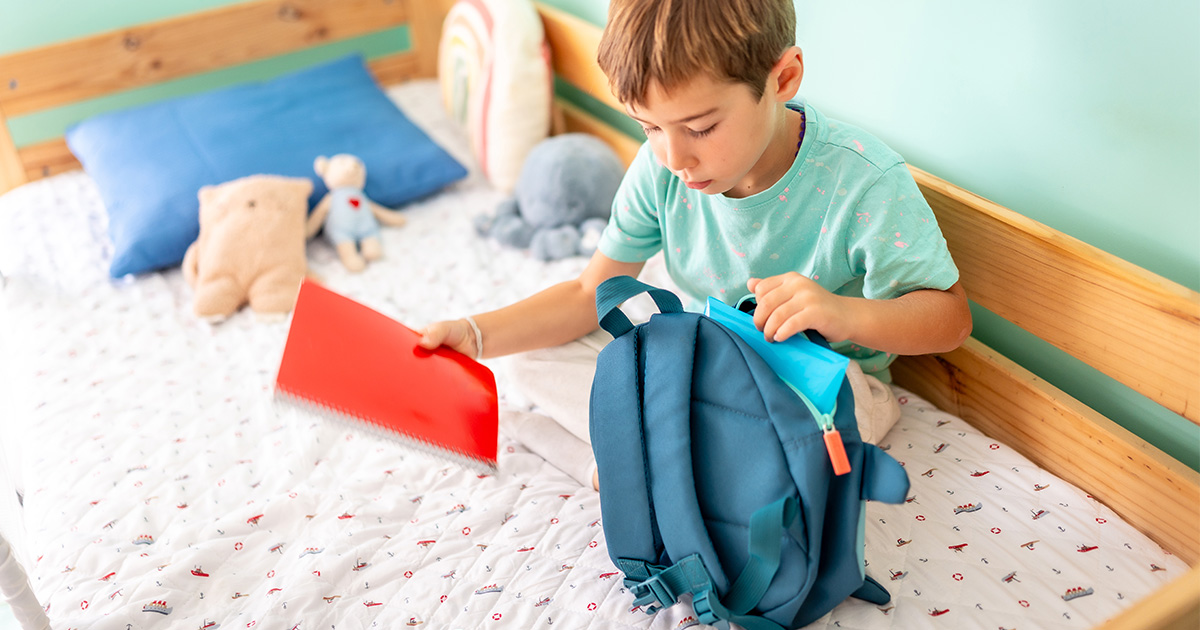
A child who helps pack their school bag — not perfectly, but proudly.
Who learns that tidying up isn’t punishment, but part of belonging.
Who starts to see that responsibility is freedom — the freedom to be trusted, to be capable, to grow.
When children are given real responsibility, something powerful happens:
-
They develop confidence rooted in action, not praise.
-
They begin to anticipate what needs doing instead of waiting to be told.
-
They understand that their effort has impact — that their role in the family matters.
They start to walk taller, not because someone told them to, but because they feel useful.
In families where responsibility is shared, kids experience what psychologists call self-efficacy — the belief that their actions can create outcomes. That belief is the seed of resilience, motivation, and independence.
Children who learn early to take responsibility for their things grow into adults who take responsibility for their lives. They manage setbacks with confidence because they’ve been allowed to try, to fail, and to try again.
And that’s the quiet beauty of it — when we teach responsibility with love, we’re not just raising helpful kids.
We’re raising capable humans who know that effort matters, mistakes can be fixed, and belonging means contributing.
Because in the end, teaching responsibility to kids isn’t about control. It’s about trust — the trust that they can handle small things today, and big things tomorrow.
Everyday Life Is the Classroom
The good news? Teaching responsibility to kids doesn’t require charts or lectures. Your home is already the classroom.
-
Packing their own school bag teaches planning.
-
Feeding the pet teaches consistency.
-
Helping with meals teaches contribution and care.
-
Tidying shared spaces teaches respect for others.
Responsibility is learned in motion — through doing, trying, failing, and trying again.
Children don’t learn to be responsible because we tell them to. They learn it because we trust them to be.
“When we model responsibility, we show our children that love and accountability can live in the same place.”
Start Small, Stay Consistent
When teaching responsibility to kids, the most powerful lessons start small.
For toddlers and preschoolers
Keep it playful:
-
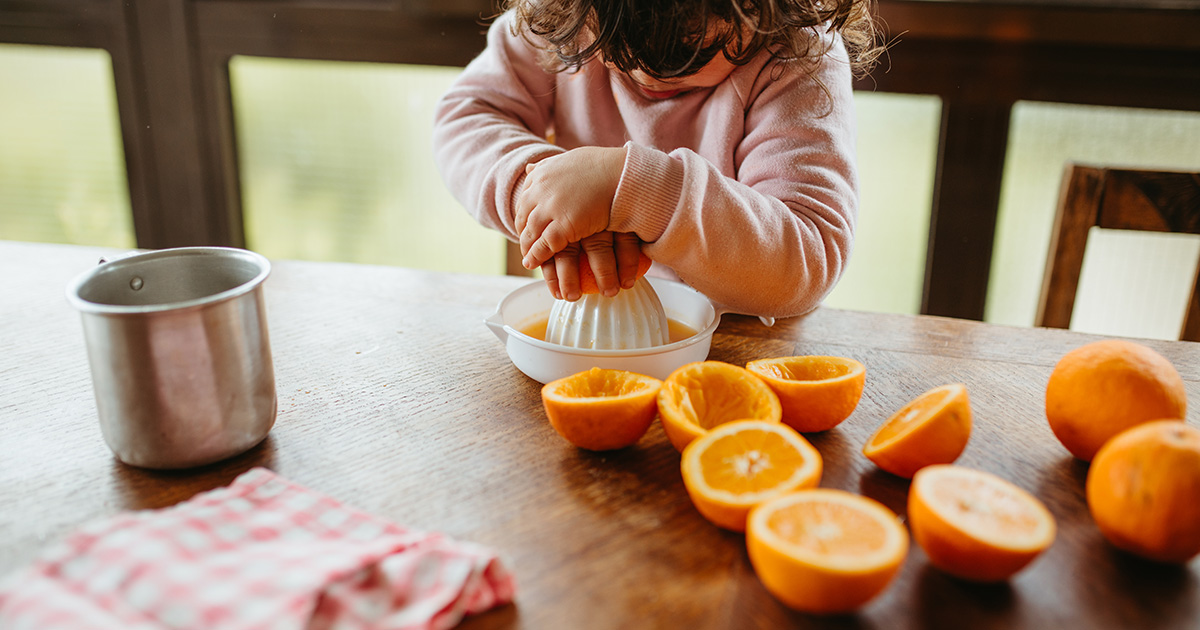
Let them pour their own juice, even if it spills.
-
Ask, “Would you like to put the napkin or the spoon on the table?”
-
Turn cleanup into a race or a song.
It’s not about perfection — it’s about inclusion.
For school-age children
Give tasks with visible outcomes:
-
Water the plants every two days.
-
Feed the pet before dinner.
-
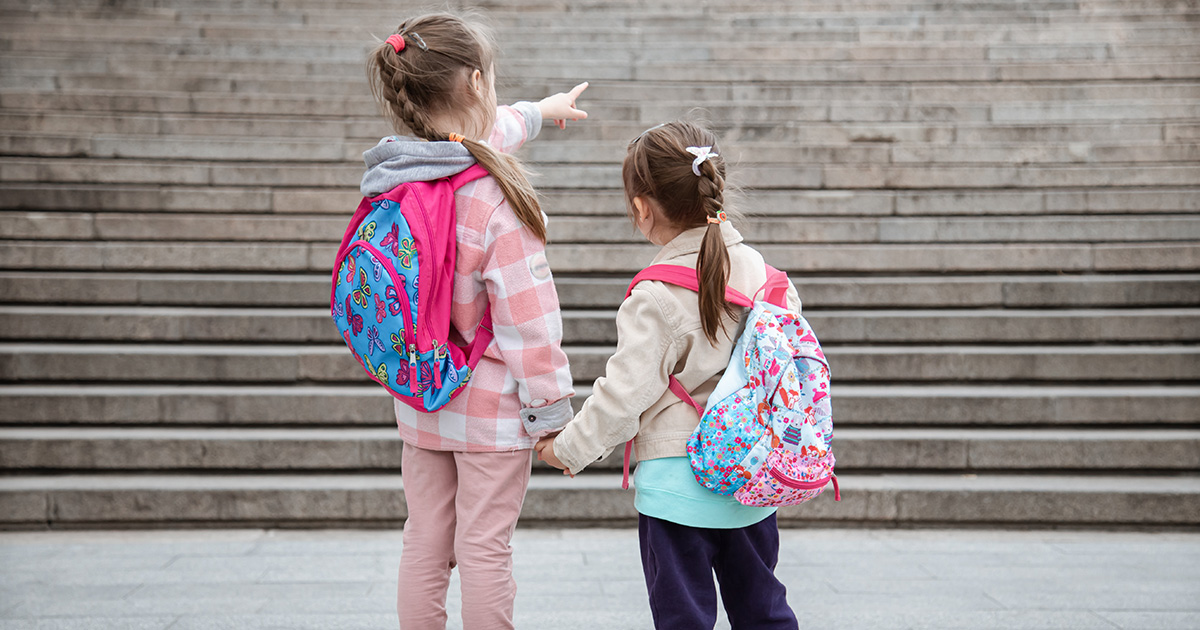
Carry their own school bag.
-
Remember sports gear.
Let them experience both success and natural consequences.
“When we rescue too quickly, we rob our kids of the lesson hidden in the struggle.”
For pre-teens and teens
Trust them with time and decisions:
-
Budget pocket money.
-
Plan a small family outing.
-
Manage their schedule or laundry.
Guide with reflection, not punishment:
“What worked? What could you do differently next time?”
That conversation teaches problem-solving — not fear.
The Role of Trust
Letting go is one of the hardest parts of teaching responsibility to kids. But without trust, they can’t grow.
If we micromanage, we communicate, “I don’t believe you can handle it.”
When we trust them — truly trust them — they rise to meet it.
Small trust builds big confidence.
Let your child feel the pride of being helpful, the satisfaction of finishing something, and even the sting of forgetting. Each teaches self-awareness far better than any lecture.
Turning Tasks Into Connection
Responsibility doesn’t have to feel like a list of chores. It can be connection.
Cook together, fold laundry while chatting, clean the car as a team.
When children experience responsibility as belonging, they respond with joy, not resistance.
Say:
-
“You’re such a help when you…”
-
“Let’s do it together.”
Notice effort, not outcome:
“I saw you remembered your lunch today — that’s being responsible.”
Responsibility thrives in recognition, not reward.
Responsibility Through Play and Story
Children learn best through play and imagination.
Use stories, books, or movies to explore responsibility. Ask:
-
“What could that character have done differently?”
-
“How did they fix their mistake?”
Let them plan a family picnic or choose snacks for a sleepover — responsibility wrapped in fun.
These small chances teach planning, teamwork, and follow-through — and they love it because it feels like trust.
When They Mess Up (Because They Will)
Every parent who’s teaching responsibility to kids faces forgotten homework, messy rooms, wet laundry.
And it’s tempting to say, “See? This is why I do it myself.”
But mistakes are the best teachers.
Instead of punishing, guide:
-
“What happened?”
-
“How can we fix it?”
-
“What will you try next time?”
Responsibility grows through repair — not shame.
The Emotional Side of Responsibility
Responsibility isn’t just practical — it’s emotional.
Saying sorry, noticing someone’s feelings, comforting a sibling — that’s emotional responsibility.
Teaching responsibility to kids includes helping them understand that words and actions carry weight.
Ways to nurture it:
-
Talk openly about emotions.
-
Encourage empathy.
-
Model kindness and apology.
That’s how rule-following turns into compassion.
When Parents Model It First
Children mirror what they see.
When we pay bills on time, admit mistakes, and keep promises, we model integrity.
Say it aloud:
“I made a mistake and fixed it.”
“I didn’t feel like it, but it was important.”
“The way we carry our responsibilities becomes the story our children tell about adulthood.”
If you enjoyed this, you might also like Raising Resilient Kids: Teaching Strength Through Love — a look at how connection builds courage.
Family Culture: Responsibility as Belonging
In strong families, responsibility feels shared.
Maybe it’s a Sunday “family reset” or a job jar where everyone contributes.
The goal is ownership — not perfection.
Responsibility becomes part of your family identity: We take care of what’s ours, and each other.
For another read on nurturing kindness and shared values, explore Raising Hearts, Not Just Achievers: The Gentle Art of Raising Good Humans.
The Bigger Picture
At its heart, teaching responsibility to kids prepares them for life.
You’re not raising children who can just follow instructions — you’re raising future adults who can lead, decide, and care.
These lessons build the kind of confidence that doesn’t need applause.
You don’t need grand gestures. You just need consistency, patience, and trust.
Closing Thoughts
Every time you hand your child a small responsibility, you hand them belief: I trust you. You can do this.
They might stumble or forget, but each attempt shapes them. Each moment of ownership builds confidence.
And one day, you’ll see it — the quiet pride of a child who doesn’t need reminding.
That’s when you’ll know the lesson has taken root.
Because in the end, teaching responsibility to kids isn’t about raising perfect helpers.
It’s about raising whole, capable humans — the kind who show up, try again, and carry love into everything they do.