Raising Hearts, Not Just Achievers: The Gentle Art of Raising Good Humans
There’s a moment every parent knows — when you’re sitting in the crowd, heart swelling with pride as your child’s name is called. Maybe it’s an award ceremony, a match, or a school concert. You clap, you cheer, you beam. But somewhere between the applause and the drive home, a small question lingers:
Am I more proud of what they did, or of who they are?
That’s the question at the heart of raising good humans.
Because in a world obsessed with test scores, trophies, and talent shows, it’s easy to forget that the real measure of success is quieter. It’s in kindness freely given, honesty chosen when it’s hard, and empathy shown when no one is watching.
The Achievement Trap
Parenting today comes with a kind of pressure our parents never faced. We compare milestones, chase enrichment, and celebrate productivity as though childhood were a competition. Every corner of life — from the classroom to social media — reminds us that we’re raising future achievers.
But here’s the truth: achievements fade. Character remains.
Grades, medals, and scholarships can open doors, but who our children become determines how they walk through them. Raising good humans means asking different questions:
-
Did my child try their best and treat others kindly?
-
Did they notice someone who needed help?
-
Did they show courage when things didn’t go their way?
When we start valuing these answers as much as test results, we quietly rewrite what success looks like in our homes.
What “Raising Good Humans” Really Means
Raising good humans isn’t about perfection. It’s about direction — guiding our kids toward empathy, responsibility, and integrity through daily living.
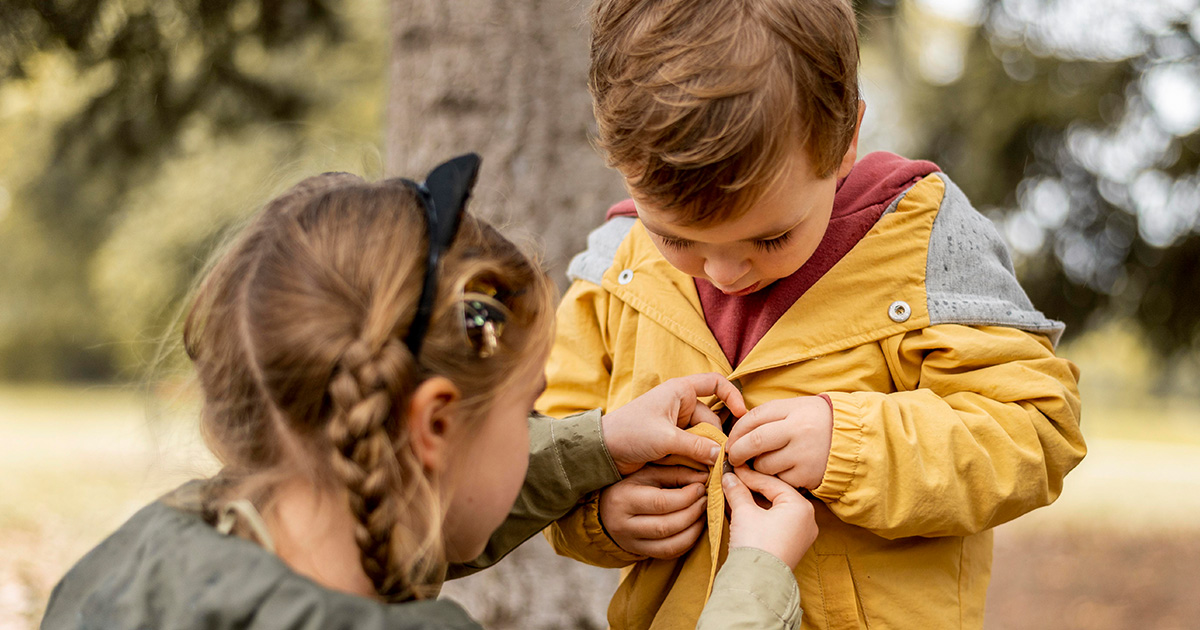
It means teaching them that being a “good human” doesn’t require applause. It’s holding the door open, saying thank you, forgiving quickly, standing up for someone smaller. It’s noticing the world around them and choosing compassion.
It’s also reminding them that mistakes are part of being human — and how we respond to those mistakes is what builds character in children.
Modeling Over Managing
Our kids are watching. Always.
They notice how we speak to the waiter, how we react in traffic, how we handle disappointment. They see if we apologize, if we keep promises, if we speak kindly about others when they’re not there.
I see this often in my own home. My husband is wonderfully patient most of the time, but when traffic gets frustrating, he sometimes mutters at other drivers — and it always amazes us how quickly the kids pick that up. They don’t mean any harm, but they repeat what they hear, tone and all. It’s such a humbling reminder that little eyes and ears are always learning from us — not just when we’re calm, but in our ordinary, imperfect moments too
When we model patience instead of preaching it, we’re quietly teaching empathy.
When we admit our own mistakes, we’re modeling integrity.
When we show up — not perfectly, but consistently — we’re raising good humans by example.
It’s tempting to manage behavior through constant correction. But true learning happens when kids see values lived out, not just talked about. Character is caught, not taught.
Building Character in Children — The Everyday Way
You don’t need a parenting manual or a motivational poster to start building character in children. You just need small, repeated moments.
-
Let them help set the table and thank them sincerely.
-
Encourage honesty even when it’s uncomfortable.
-
Praise effort more than outcome.
-
Expect kindness toward siblings, even after arguments.
-
Celebrate perseverance — finishing what they start.
Our eldest daughter reminded me of this recently. When she was learning to ride her bike, she fell more times than I could count. Yet every afternoon she asked, “Can we go to the park again?” She kept going, wobbling and trying, until one day she found her balance and shouted, “Look, Mom!” That determination wasn’t just about learning to ride — it was about learning to try again after failure.
Those small patterns weave themselves into your family values over time.
Children learn through consistency. When they see the same principles playing out day after day — patience, gratitude, humility — those become the cornerstones of who they are.
That’s the heart of positive parenting: creating a home where values are visible and practiced, not just spoken.
Teaching Empathy Without Over-Talking It
You can’t lecture a child into empathy — but you can nurture it through connection.
Empathy grows when we slow down long enough to see through someone else’s eyes. So start small:
-
Ask, “How do you think your friend felt when that happened?”
-
Read books and watch movies that explore emotions and perspective.
-
Encourage thank-you notes or simple acts of kindness.
And maybe most importantly — let them see you caring. Hold the door. Check in on a neighbor. Offer forgiveness when it’s hard.
These are the quiet lessons that raise good humans.
A few weeks ago, my daughter saw my mom struggling with pain after breaking her heel. She spent over an hour making a little card — a page full of bright colours and wobbly letters, spelling out her hope that Grandma would get better soon. She’s in Grade 1, so her sentences weren’t perfect — but the love was.
Moments like that remind me that children feel deeply. They notice hurt, and if we give them space, they naturally want to comfort. When she hears that someone is going through a hard time, she stops what she’s doing and wants to pray for them right there and then. That’s empathy — raw and real — and it’s our privilege to nurture it
Every time your child watches you extend grace, they’re learning what it means to be human in the best way. That’s teaching empathy in action — not with speeches, but with presence.
Letting Kids Fail (and Why That’s a Good Thing)
We love our children fiercely. So fiercely, in fact, that sometimes we shield them from the very moments that shape them.
But failure isn’t the enemy — it’s the forge of resilience.
When we let kids struggle through a tough project, handle a friendship challenge, or take responsibility for a forgotten assignment, we give them the gift of growth.
Raising good humans means letting our kids feel the full weight of life’s lessons, knowing we’re nearby — not to rescue, but to support.
Failure teaches humility, perseverance, and empathy. Kids who know what it feels like to fall learn how to help others up. That’s where real confidence comes from — not in being perfect, but in learning they can recover.
Redefining Success Through Family Values
Imagine a dinner table where success isn’t measured by grades or medals, but by moments of kindness and courage.
“What was something good you did for someone today?”
“What was hard, and how did you handle it?”
“Who did you help?”
Questions like these shape your home culture — the invisible curriculum of your family.
When kids grow up in a space where kindness is celebrated and empathy is expected, they internalize that as normal. That’s how family values become second nature.
The world will teach them to chase achievements. But home should teach them to chase meaning.
Positive Parenting in Practice
Positive parenting isn’t about pretending everything’s perfect. It’s about responding instead of reacting. It’s choosing connection over control.
When your child makes a mistake, instead of scolding, ask: “What can we learn from this?”
When emotions run high, pause before you speak.
When you feel too tired to engage, remember — every calm response plants a seed for how they’ll treat others someday.
This gentle, intentional style of parenting isn’t weak. It’s powerful. It builds emotional safety — the foundation on which empathy and self-control thrive.
That’s the real secret of raising good humans: creating an atmosphere of trust and understanding that teaches your child who they are and how to love others well.
The Legacy You’re Building
One day, long after the trophies are dusty and the certificates are lost, your child will remember how your home felt.
They’ll remember whether they felt seen, heard, and loved.
They’ll remember your calm voice in chaos.
They’ll remember that kindness mattered more than winning.
Our youngest daughter reminded me of this recently. At her birthday party, one of the children looked sad most of the afternoon. Later, when I asked her if she knew what was wrong, she said quietly that she and her best friend had told him he couldn’t play with them. She looked down and admitted, “It was my fault.” That moment of honesty broke my heart a little — but it also filled it. Because that’s what raising good humans looks like: not perfection, but awareness, empathy, and the courage to take responsibility.
That’s the quiet, lifelong legacy of raising good humans — you shape not just your child, but the future of every life they touch.
Your influence ripples outward. Every time you choose compassion over criticism, every time you take a breath before responding, every time you model forgiveness — you’re adding to a chain of goodness that can outlast you.
And one day, when your grown child comforts someone, stands up for fairness, or offers grace to a stranger, you’ll see your lessons reflected right back at you.
Reflection — Keeping the Heart of It All
Parenting is a blur of moments — some loud, some ordinary, some quietly profound. You can’t capture them all, but you can keep the ones that matter.
The time they stood up for a friend.
The day they told the truth even when it cost them.
The bedtime question that showed a heart growing wiser.
Those are the real milestones — the proof that you’re raising good humans.
I often think about these moments — my daughters’ small acts of kindness, the times they surprise me with empathy, and yes, the moments when things don’t go quite right and we all need to pause and start again. None of us are perfect, and that’s the point. It’s in those small flashes of grace, apology, and growth that I see who they’re becoming — and who I’m becoming too.
Write them down. Hold them close. They’re not just memories — they’re the living evidence of your family’s values.
That’s what My Memories of You was built for: to help families record and celebrate the small, unseen victories that build character, connection, and legacy.
Because the world doesn’t need more perfect children.
It needs more kind, brave, and thoughtful ones.
It needs good humans.
And that’s exactly what you’re raising.